

Testing
brings
clarity
Blood tests and diagnostics
It is not always clear what is causing your pet's symptoms. Blood tests and other tests can provide us with valuable information.
At Dierenkliniek Capelle, we can carry out a range of tests, including blood tests, urine tests, faecal tests and microscopic examinations.
Insight
Blood tests can provide valuable information about your pet's health and help us better understand what may be causing their symptoms.
Testing
Sometimes the cause of your pet's symptoms is not immediately clear. Additional testing can help us identify what may be causing them.
Next steps
We clearly explain the results and discuss the possible next steps with you.
Blood tests may be recommended for symptoms such as lethargy, weight loss, increased thirst, vomiting, diarrhoea or reduced appetite.
Blood tests may also be recommended before an operation to help us assess your pet's health before anaesthesia.
When are blood tests needed?
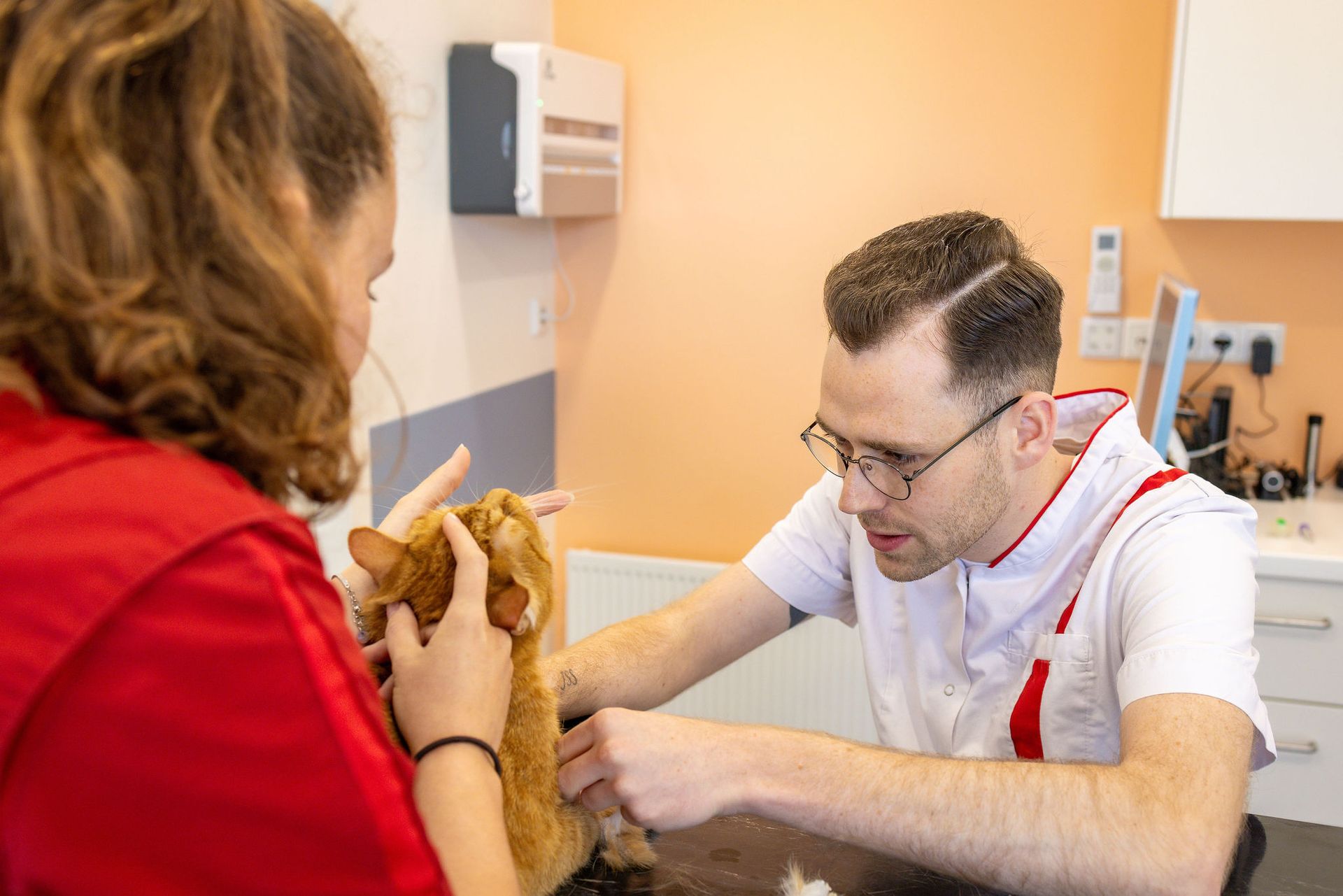
What I value about working as a veterinarian is that no two animals are the same. At Dierenkliniek Capelle, I enjoy working with you to find the best approach to caring for your dog, cat, rabbit or rodent.
Simone de Vries
Veterinarian
Blood tests can provide information about your pet's organs, signs of inflammation, blood cells and overall health.
Diagnostics involves using tests to help determine what may be causing your pet's symptoms. Sometimes one test is enough, while in other cases several tests may be needed.
We explain the results clearly. They are often available quickly, although some samples need to be sent to an external laboratory. In that case, we will let you know when to expect the results.
What can we test?
Frequently asked questions
When are blood tests useful?
Blood tests provide information about the function of organs such as the liver, kidneys, pancreas and thyroid gland. They can be useful for symptoms such as lethargy, weight loss, increased thirst or increased urination. We also recommend blood tests before anaesthesia.
How should I collect and bring in a urine sample?
For a dog, you can collect urine by holding a clean container or ladle underneath while your dog urinates. For cats, we provide special non-absorbent litter granules. Once your cat has urinated, use the pipette provided to collect the urine.
We prefer a fresh urine sample collected first thing in the morning. Please bring the sample to the clinic within four hours, if possible. If you cannot bring it in straight away, store the sample in a clean container in the fridge.
What can a faecal test tell us?
We can test for a range of parasites and infections including worm eggs, Giardia, lungworm and parvovirus. If your pet has diarrhoea, blood or mucus in their stool, we may ask you to collect samples over several days and bring them to the clinic. This helps us obtain a more reliable result.
What does a microscopic examination involve?
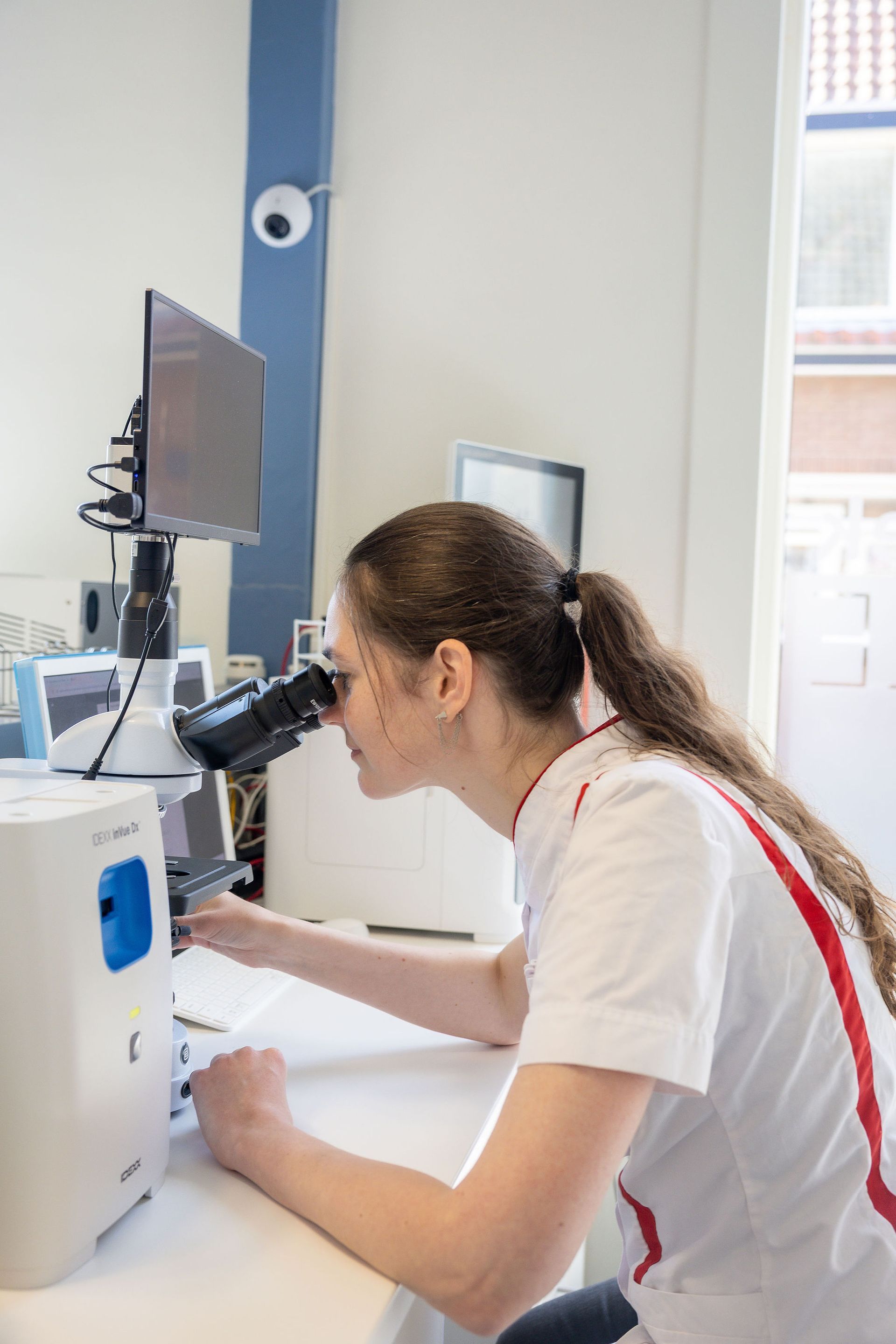
During a microscopic examination, we may analyse skin scrapings, tape samples, ear swabs, blood smears or cells collected with a needle. This can help us assess problems affecting the skin, ears or other tissues.
When is a blood pressure measurement recommended?
A blood pressure measurement may be recommended for older pets or those with kidney or thyroid problems. A veterinary technician usually carries out the measurement in a calm environment. The veterinarian then discusses the result with you, either during the appointment or in a follow-up phone call.
When can I expect the test results?
We can carry out many tests in our in-house laboratory, and the results are often available the same day. For some tests, we send samples to an external laboratory. These results are usually available within a few days.
Does my pet need to fast before a blood test?
This depends on the type of test. Your pet may need to fast before some tests, while other tests do not require this. When you book the appointment, we will give you clear instructions. Please call us if you are unsure.