

Surgery with care
Surgery
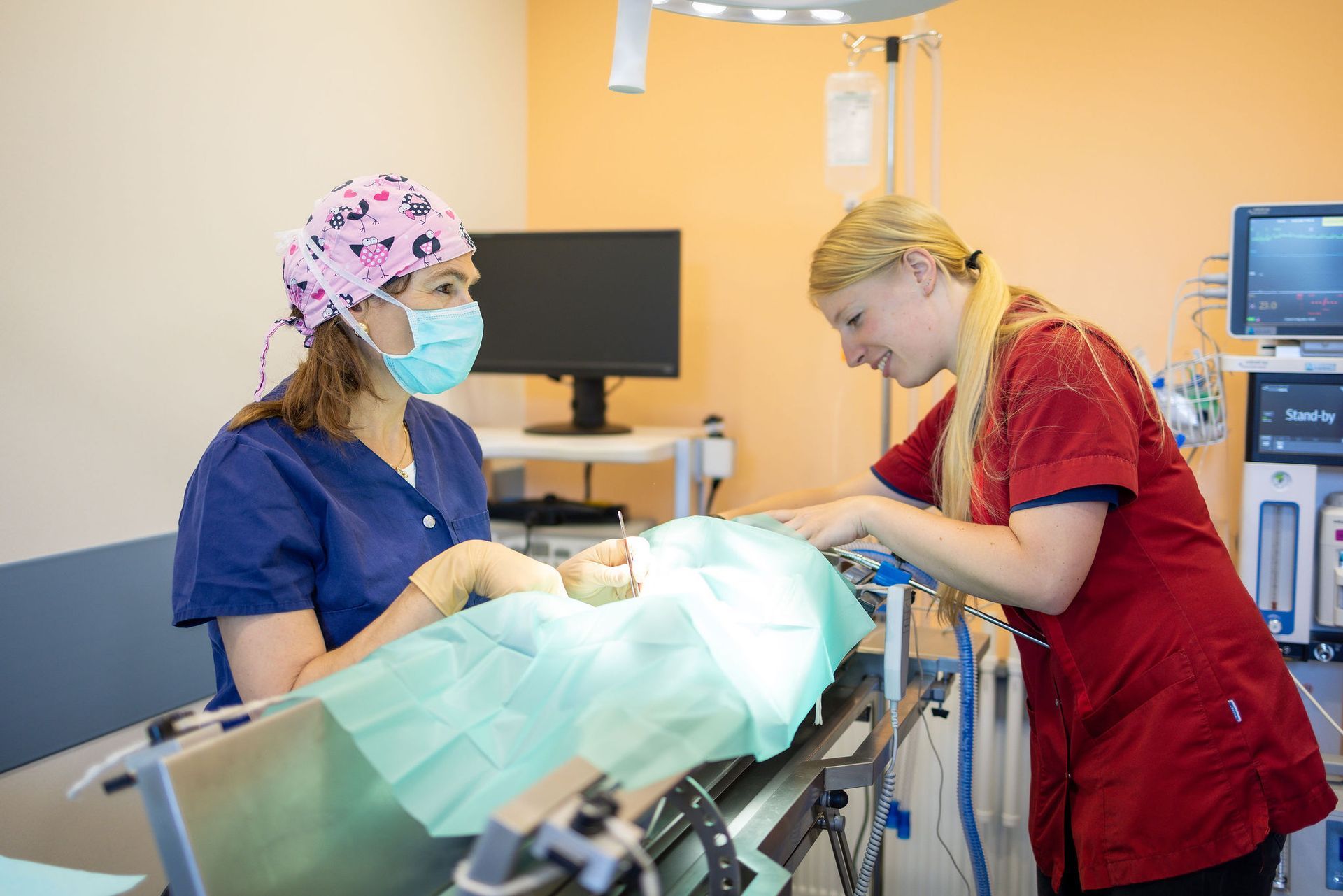
Sometimes a pet needs an operation. At Dierenkliniek Capelle, we perform various surgical procedures, including neutering, spaying, removing lumps and tumours, and other medical procedures.
Surgery can be worrying for both you and your pet. That is why we take the time to explain what to expect and answer any questions you may have.
Explanation
We explain in advance what will happen, so you know what to expect.
Monitoring
During anaesthesia, we closely monitor your pet's vital signs, including their breathing and heart rate, using our advanced anaesthesia equipment.
Aftercare
After the operation, you will receive clear home-care instructions so you know what to expect and what to look out for during recovery.
We perform a range of surgical procedures on dogs, cats, rabbits and rodents. The most appropriate treatment depends on your pet's individual needs and condition.
Sometimes, a referral to a specialist may be the best option. If so, we will discuss it with you.
What types of surgery do we perform?
At Dierenkliniek Capelle, good care is about attention, expertise and trust. As a veterinarian in Capelle aan den IJssel, I believe it important that you feel heard and that your pet receives careful examination and treatment.
Vanessa Levi
Veterinarian / Owner
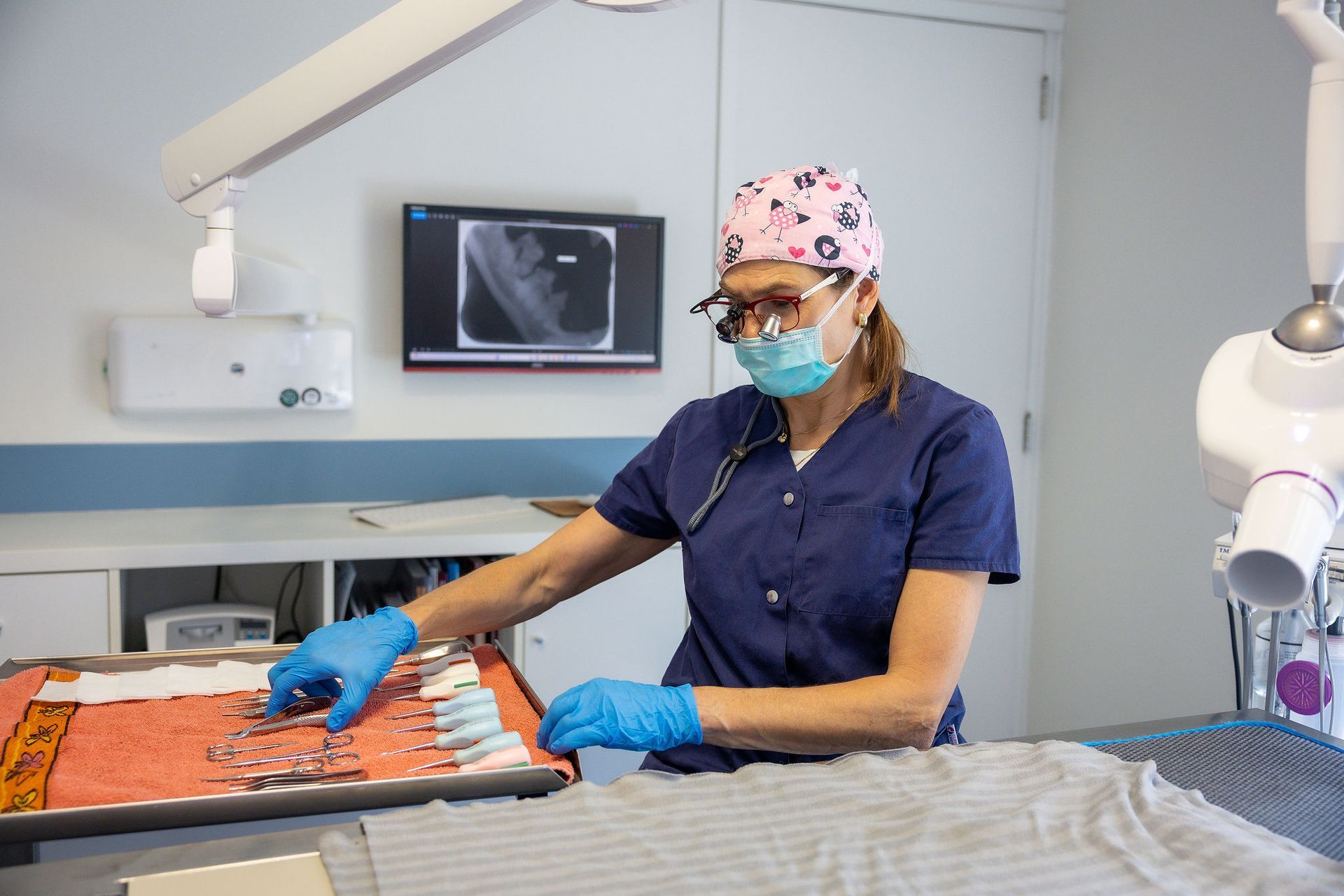
Before an operation, we discuss what you can expect. We recommend a blood test before anaesthesia, as this helps us assess your pet's overall health. Where possible, we also discuss the expected costs with you in advance.
During anaesthesia, your pet is closely monitored. Anaesthesia keeps your pet asleep and prevents them from feeling any pain during the procedure. Afterwards, we continue to monitor your pet closely as they wake up and recover from the anaesthetic.
After the operation, you will receive clear aftercare instructions. We explain which signs to look for, which medication your pet needs and when you should contact us.
Preparation and anaesthesia
Frequently asked questions
Which surgical procedures do you perform?
We perform a range of surgical procedures including neutering and spaying, intestinal and bladder surgery, lump removal, spleen removal, eye and eyelid surgery, caesarean sections and when medically necessary, amputations. For specialised procedures, such as orthopaedic surgery, we refer your pet to a specialist.
What is the difference between castration and sterilisation?
Castration involves removing the reproductive organs that produce sex hormones. Sterilisation involves tying off the fallopian tubes or spermatic cords. In veterinary medicine, the term castration is often used for male animals and sterilisation for female animals. Strictly speaking, castration can refer to the removal of hormone-producing reproductive organs in either sex.
When is intestinal or bladder surgery needed?
Intestinal surgery may be needed if a foreign object causes a blockage or if your pet has a serious intestinal condition. Bladder surgery may be necessary for bladder stones, or other bladder problems. Before the procedure, we explain why surgery is recommended and discuss the possible risks and alternatives with you.
What happens when a tumour or lump is removed?
We first examine the lump. Sometimes, we take a small sample with a needle and examine it under a microscope. If removal is recommended, we will discuss surgery with you. The removed tissue can then be sent to a laboratory for further analysis.
What happens during ear or eye surgery?
We perform ear and eye operations for various conditions, for example to treat an aural haematoma (a blood-filled ear flap) or eyelid abnormalities. Before the operation, we explain which procedure is needed, how it will be performed and what to watch for during recovery at home.
How is my pet kept warm and comfortable during surgery?
Before, during and after the operation, we regularly monitor your pet's temperature. In the operating room, your pet lies on a heating mat with a soft blanket. In our recovery ward, the kennels have underfloor heating and soft bedding to keep your pet comfortable and warm.
What happens during recovery after surgery?
Recovery varies depending on the procedure. Afterwards, you receive clear home-care instructions explaining how to care for your pet, which medication is needed and when to contact us. We often also schedule a follow-up appointment.