


Spaying via keyhole surgery
Laparoscopic spay
During a laparoscopic spay, a female dog is spayed using keyhole surgery. The veterinarian operates through small incisions in the abdomen.
For some dogs, this procedure may offer advantages over the conventional method. The veterinarian will discuss with you beforehand whether a laparoscopic spay is suitable for your dog.
Keyhole surgery
During a laparoscopic spay, the veterinarian operates through three small incisions. We explain clearly how the procedure works.
Recovery
We discuss the anaesthesia and aftercare with you before the procedure, so you know what to expect during the recovery.
Advice
We assess whether a laparoscopic spay is suitable for your dog based on their health, age, weight and individual circumstances.
Keyhole surgery is an operation that uses a small camera to allow the veterinarian to see inside the abdomen without making a large incision.
During this type of spay, three small incisions are made in the abdomen instead of one larger incision used for a conventional spay.
What is keyhole surgery?
At Dierenkliniek Capelle, good care is about attention, expertise and trust. As a veterinarian in Capelle aan den IJssel, I want you to feel heard and for your pet to be carefully examined and receive the right treatment.
Vanessa Levi
Veterinarian / Owner
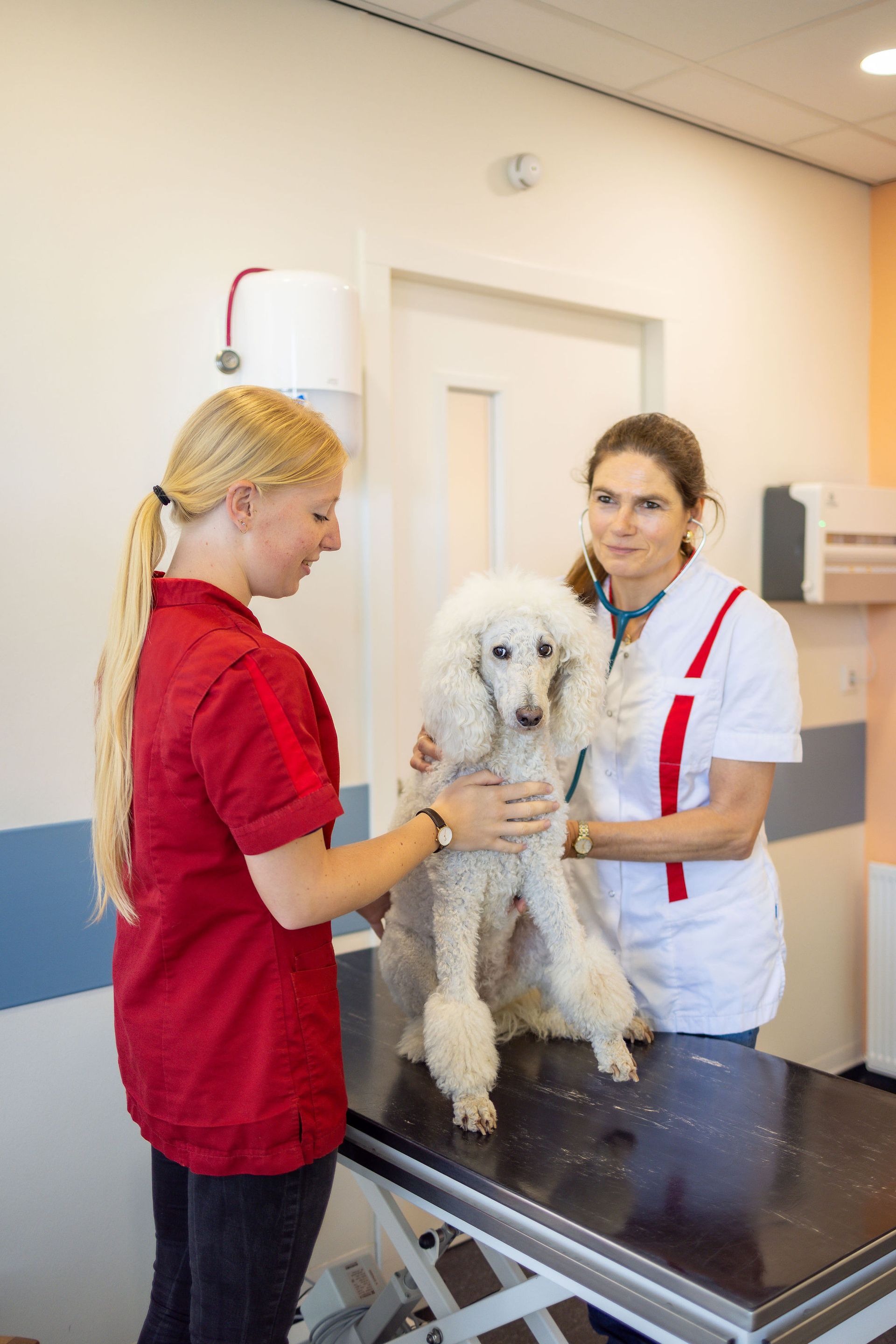
No two dogs are the same. When considering a laparoscopic spay, we take your dog's age, health, size and individual needs into account. During the appointment, we explain whether keyhole surgery is suitable for your dog and what you can expect.
Before the operation, you receive clear preparation instructions, including when your dog should stop eating. After the operation, you will receive clear aftercare instructions about rest, medication and when to contact us.
Preparation and aftercare
Frequently asked questions
What is the difference between a laparoscopic spay and a conventional spay?
With a conventional spay, the reproductive organs are removed through one single incision in the abdomen. A laparoscopic spay uses a camera and three smaller incisions. Because the procedure is less invasive, many dogs experience less discomfort during the first few days after the operation.
Which dogs are suitable for a laparoscopic spay?
A laparoscopic spay is suitable for many female dogs. Whether it is the right choice for your dog depends on age, weight and overall health. During a consultation, we discuss the options with you and help you make an informed choice.
How safe is anaesthesia during a laparoscopic spay?
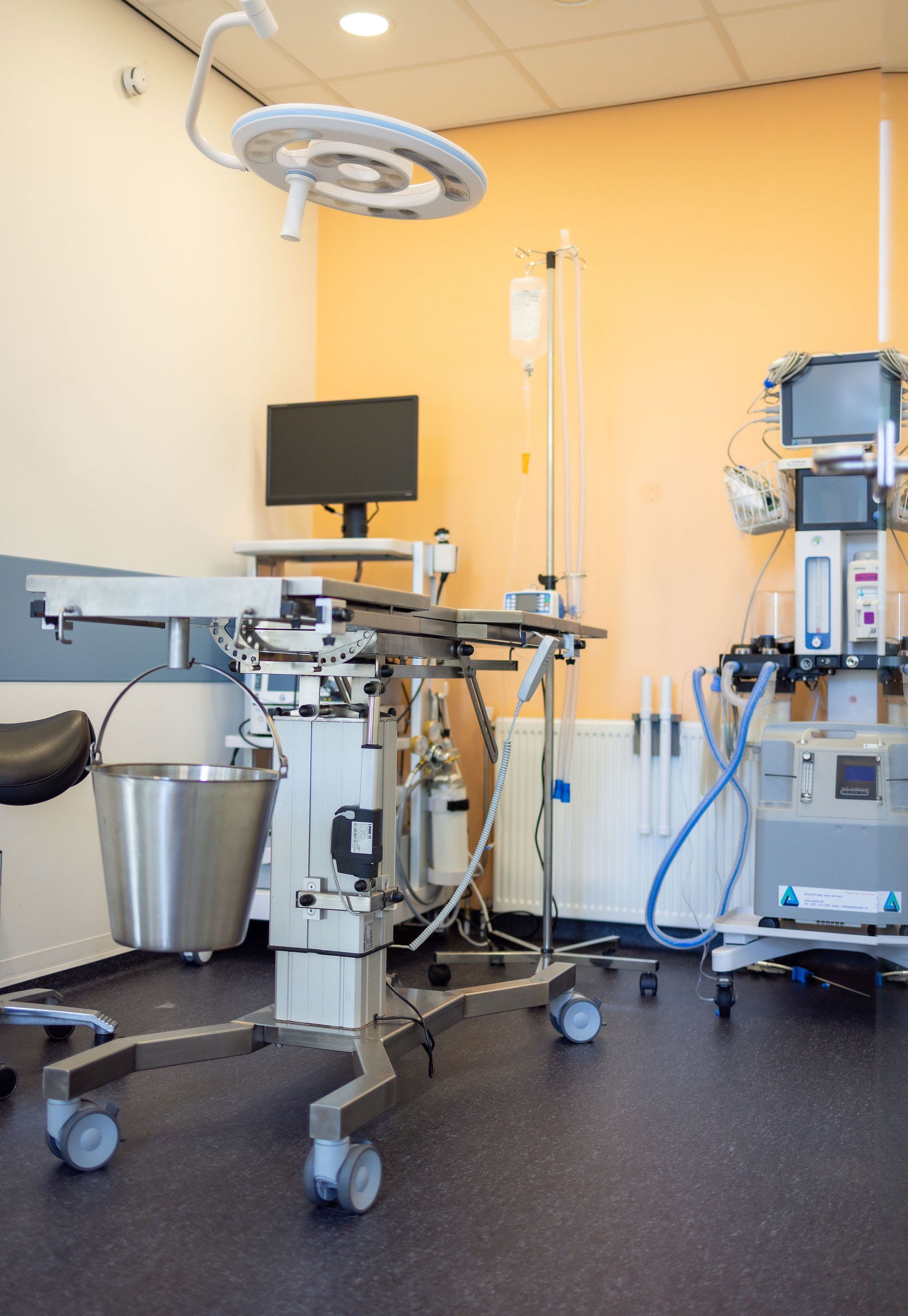
Your pet is given medication beforehand and placed under general anaesthesia. During the operation, they are intubated, given an IV drip and is connected to a monitor. This allows us to closely monitor heart rate, breathing, temperature and oxygen levels throughout the procedure.
Will my dog have less discomfort after a laparoscopic spay?
Because the incisions are small, many dogs experience less discomfort after the operation. Your dog will receive painkillers and you will be given clear aftercare instructions. Please contact us if you are concerned about your dog's recovery.
How long does recovery take after a laparoscopic spay?
Many dogs return to their normal routine sooner after their laparoscopic surgery. Even so, rest is important during the first few days. Keep your dog on a lead and prevent them from running, jumping and swimming until we advise you that it is safe.
Does my dog need to wear a cone or bodysuit?
We often recommend a cone (Elizabethan collar) or a bodysuit to prevent your dog from licking the incisions. After the operation, we will explain how long it should be worn and give you clear aftercare instructions.
How much does a laparoscopic spay cost?
The cost depends on your dog's weight and additional tests that may be needed. We discuss the expected costs with you in advance, so you know what to expect. Please contact us if you would like an estimate for your dog.